10 November 2026
6 Smart Routes for Hiking Near Mexico City
Mexico City wakes up early, but the mountains wake up earlier. Six realistic routes for hiking near Mexico City, from forest escapes in La Pila and Chapultepec to high-altitude days on Iztaccíhuatl, with honest guidance on altitude, logistics and what to bring.
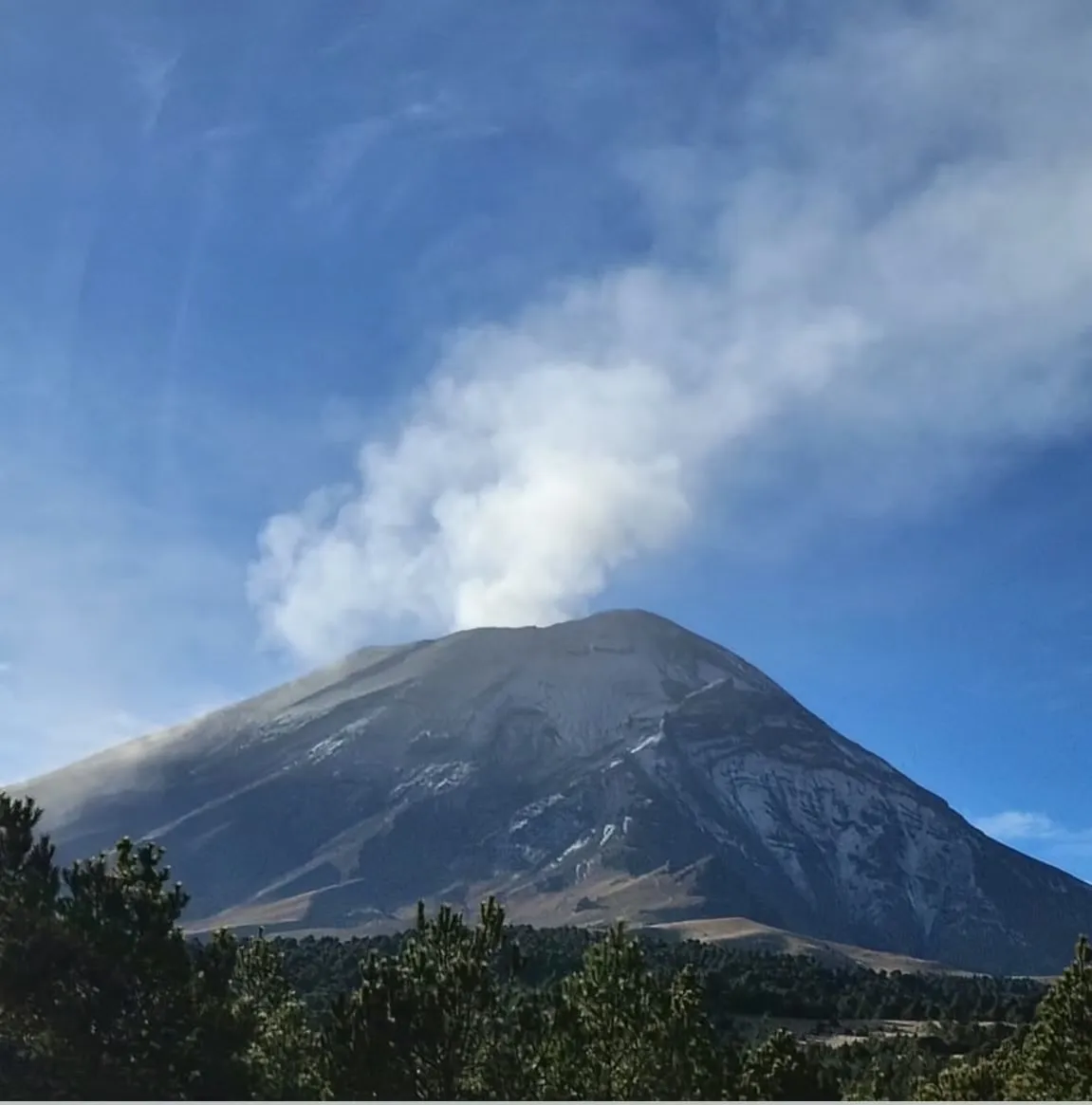
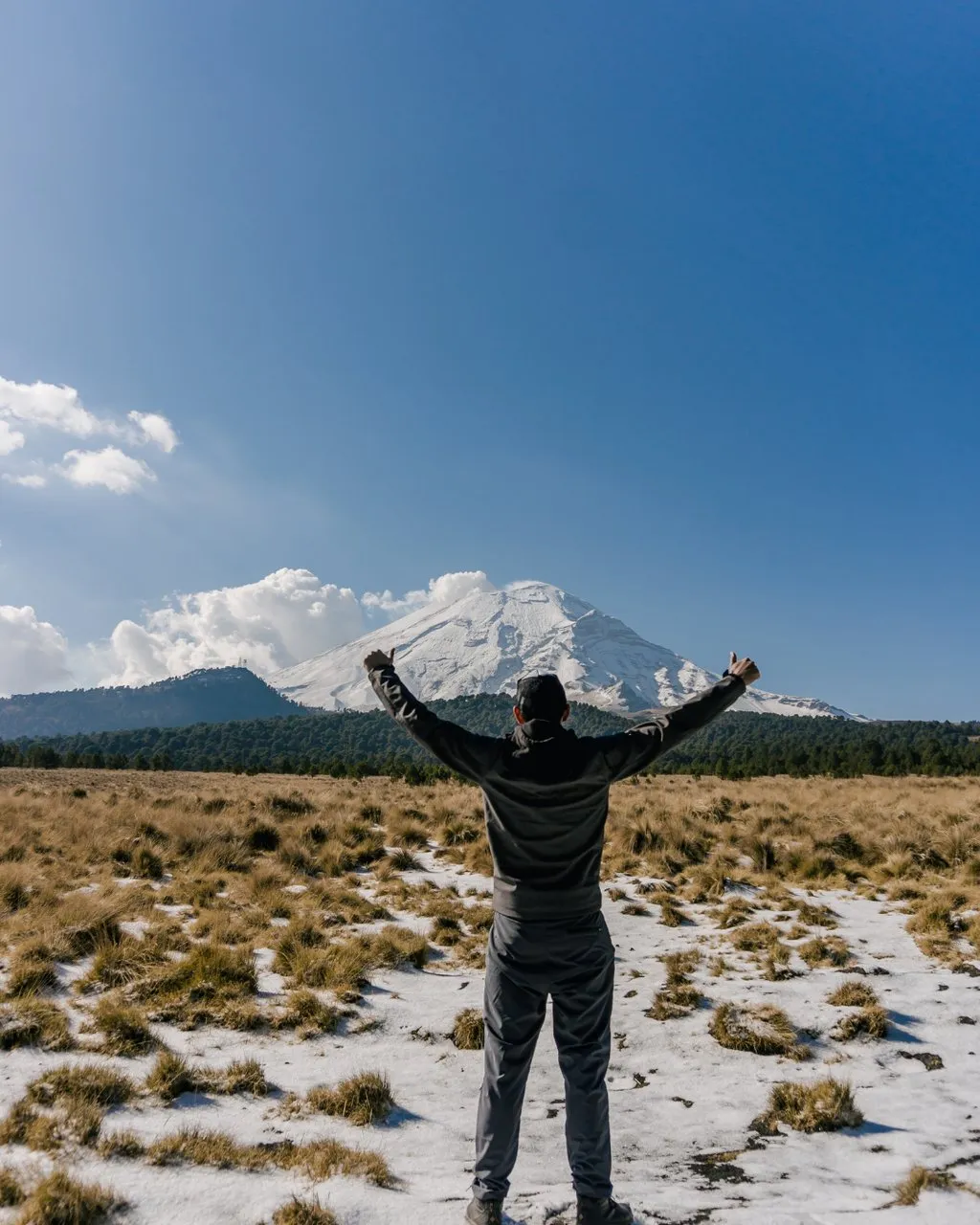
Mexico City wakes up early, but the mountains wake up earlier. A 5 a.m. departure can mean clear volcano views, fir forest trails, and a return to the city before dinner. Hiking near Mexico City is one of the great advantages of visiting or living here, but it works best when you choose a route for the day you actually have, not the hike that looks most impressive on a map.
The city already sits at roughly 2,240 metres above sea level. The trailheads above it are higher still, and weather can change quickly between the pavement and the ridgelines. A successful mountain day comes down to realistic route selection, an early start, the right layers, and a willingness to turn around when conditions call for it.
Choose a Route for Hiking Near Mexico City
There is no single best hike near Mexico City, as the right choice depends on your fitness, hiking experience, available time, and comfort with different types of terrain. Some visitors may prefer an easy forest walk or an urban trail surrounded by greenery, while others may be looking for longer climbs, mountain viewpoints, or a full high-altitude experience. Fortunately, the city offers several ways to explore its natural landscapes without having to travel far.
La Pila for a forest escape in the west of Mexico City
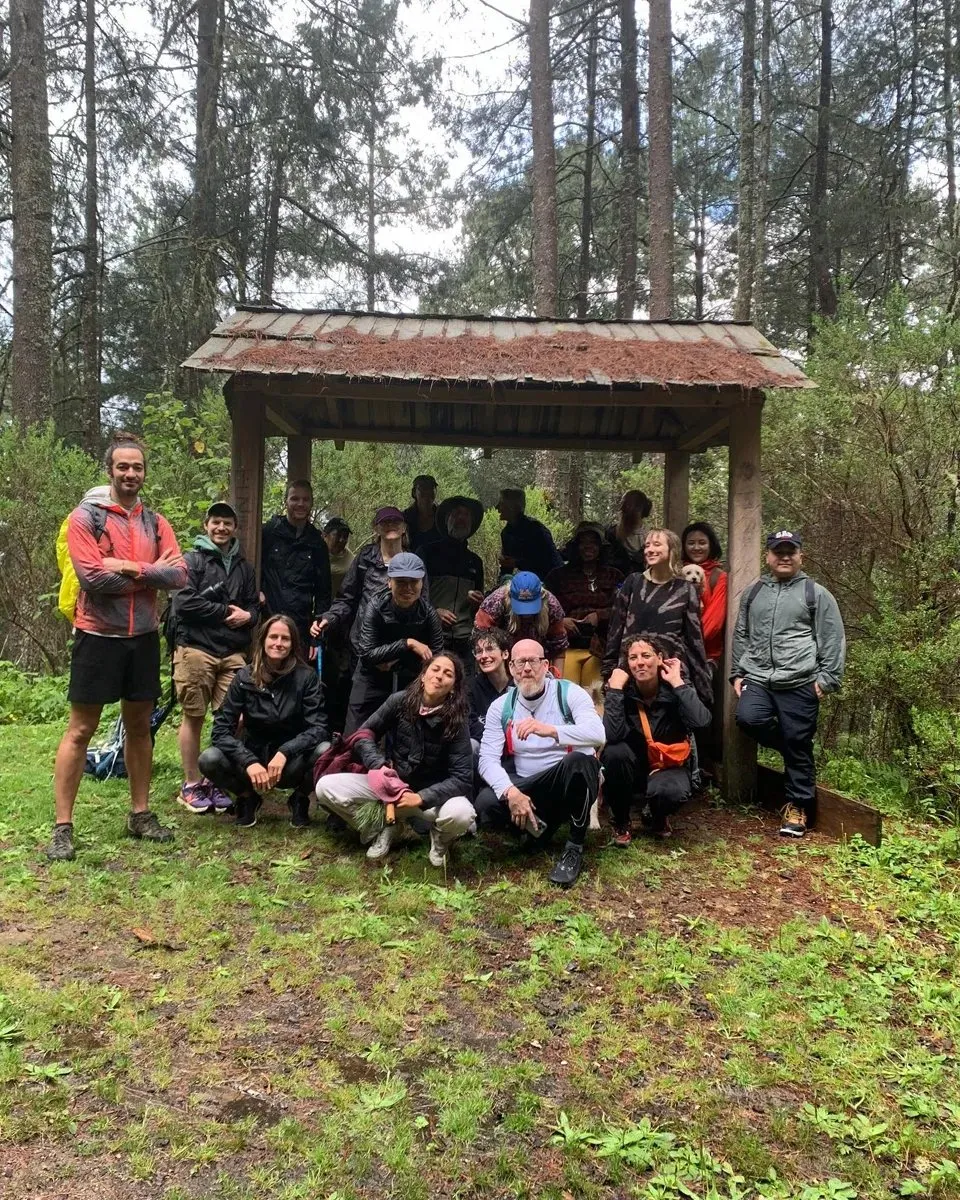
Parque La Pila, located in the western part of Mexico City, is a good option for visitors looking to spend time outdoors among trees and woodland trails. Its natural surroundings offer a quieter alternative to the busy streets of the city, making it a practical choice for a relaxed walk or an easy introduction to outdoor activities during your stay.
It is particularly appealing if you want to experience some of the green spaces surrounding the city’s western neighbourhoods without committing to a full mountain excursion. As with any natural area, trail conditions can vary with the season, so comfortable walking shoes and appropriate clothing are recommended.
Chapultepec First Section for an urban nature walk
The First Section of Chapultepec Forest is one of the most accessible places to enjoy nature in Mexico City, combining wooded paths, historic landmarks, gardens, and cultural attractions within a large urban green space.
Visitors can follow walking trails through the forest, explore the surroundings of the lakes, or make their way uphill toward Chapultepec Castle, which sits above the surrounding parkland. This makes it an interesting option for travelers who want to combine outdoor activity with some of the city’s history and architecture.
Its central location also makes it easy to include in a morning walk or an active day exploring Mexico City, particularly if you are staying around Roma, Condesa, or Reforma.
Chapultepec Second and Third Section for longer walks and outdoor activities
The Second and Third Section of Chapultepec Forest offers a different atmosphere, with wider green spaces, wooded paths, recreational areas, and routes that are particularly suitable for longer walks and running.
Compared with the First Section, this area generally feels less focused on historic landmarks and more oriented toward outdoor recreation, making it a good alternative for visitors who want to spend more time moving through the city’s green spaces.
Its paths and open areas provide opportunities to enjoy a longer outdoor outing without leaving the urban environment, while the surrounding landscape offers a welcome break from the traffic and density of Mexico City.
A hidden gem for runners at Chapultepec Castle
Early in the morning, runners can access the uphill path leading to Chapultepec Castle through the First Section of Chapultepec Forest. The climb is a popular spot for hill training, with a steep paved stretch of approximately 500 to 600 metres that takes you all the way up to the castle gates.
According to the reported morning running schedule, access is available Tuesday through Sunday from 6:00 to 8:00 a.m., before the forest opens to its regular visitors. Entry is free during this period, making it a great option for an early workout in one of Mexico City’s most iconic parks.
The goal is simple: run uphill until you reach the castle gates, enjoy the views over Chapultepec Forest and head back down.
Iztaccíhuatl for experienced high-altitude hikers
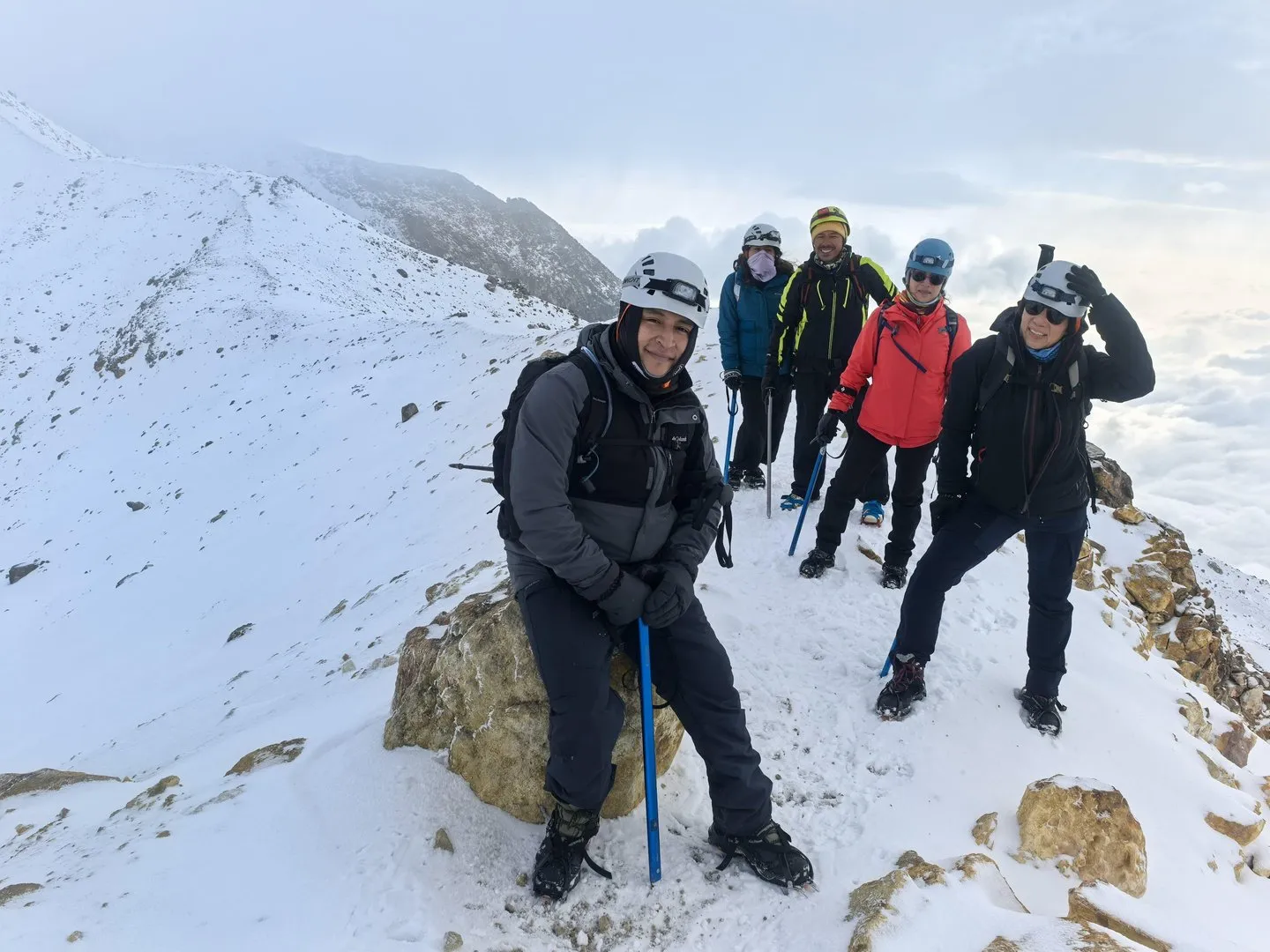
Iztaccíhuatl is an iconic mountain objective, but it deserves honest framing, as it is not a standard day hike for every visitor. Rising above 5,000 metres, the mountain presents demanding terrain and changing weather conditions, while a summit attempt requires strong physical fitness, previous mountain experience, suitable equipment, and proper acclimatization.
Some hikers may be better suited to a lower route on the mountain, while others may be ready for a carefully planned summit expedition. Weather, group pace, snow or ice conditions, and national park restrictions all influence which objective is appropriate on a given day, making professional mountain guidance particularly valuable when planning an ascent.
Plan for Altitude Before You Plan for Distance
Altitude is one of the main factors that determines how physically demanding a hike near Mexico City will be, since walking at 3,500 metres above sea level requires more effort than covering the same distance at sea level, even when the trail is relatively short, which means that you may breathe faster, need more time to complete an ascent, and become dehydrated without noticing it, particularly during cold and dry conditions
If you are arriving from a lower elevation, allow time to adjust before attempting a demanding mountain route and, whenever your travel schedule permits, spend at least one full day in Mexico City before heading to higher elevations, while also getting enough sleep, drinking water regularly, avoiding excessive alcohol consumption, and eating properly before your hike, bearing in mind that these measures support your preparation but do not replace gradual acclimatization
Your route should also account for how your body responds to altitude rather than focusing exclusively on reaching a particular elevation, which is why a responsible guide evaluates the group’s pace, physical condition, and symptoms throughout the hike and may recommend a shorter route, a lower objective, or an earlier descent whenever continuing would compromise the group’s well-being
The Logistics That Shape the Day
Planning a hike near Mexico City involves more than choosing a trail, since access to protected natural areas depends on park regulations, entrance fees, registration procedures, road conditions, and operating schedules, all of which can change according to the season and environmental conditions, while heavy rain may affect trail access and strong winds, frost, or ice can make exposed mountain sections unsuitable for hiking
Private transportation from Mexico City makes reaching remote trailheads considerably easier, particularly for international travelers who do not have a rental vehicle, as many mountain access points are not served by convenient public transportation and arranging a return journey from a remote park entrance can be difficult, especially when an early departure is necessary to make the most of the available weather window
If you are organizing your own hike, check the official park access information shortly before departure rather than relying on information published several weeks earlier, and carry identification, cash for applicable entrance fees, and a fully charged phone, while remembering that mobile coverage may be limited in mountain areas, so downloading your route in advance and understanding the terrain, weather conditions, and appropriate turnaround points are essential parts of your preparation
What to Bring for a Hike Near Mexico City
Your clothing and equipment should reflect the elevation, distance, terrain, and expected weather conditions rather than the temperature you experience in the city, since mountain environments can be considerably colder and more exposed to wind, making hiking footwear with good traction and clothing that can be adjusted throughout the day important for maintaining comfort and mobility
For most day hikes, your personal equipment should include sufficient water, food, appropriate clothing, and basic emergency supplies, with the following items providing a useful starting point
- At least two litres of drinking water, increasing the amount according to the duration, elevation, and weather conditions
- Sufficient food for the entire outing, including sandwiches, fruit, nuts, or energy bars that are easy to eat during physical activity
- Hiking shoes or boots with suitable traction, along with comfortable hiking trousers
- A waterproof outer layer, warm insulating clothing, gloves, and a hat when conditions require them
- Sunglasses and sunscreen to protect against increased ultraviolet exposure at altitude
- Personal medication, a small first-aid kit, a headlamp, and a fully charged mobile phone
Trekking poles can also improve stability and reduce the load on your knees during steep descents, particularly on loose volcanic terrain or muddy forest trails, although they are not essential for every route, while technical mountain objectives may require additional equipment such as helmets, crampons, or ice axes depending on the season, terrain, and current conditions, so these requirements should always be confirmed with your guide before departure
When a Guided Hike Makes Sense
Hiring a professional mountain guide becomes particularly valuable when you have limited time in Mexico City, are unfamiliar with local park regulations, or intend to explore higher elevations where weather, terrain, and altitude require more careful planning, since a qualified guide should be able to explain the route characteristics, expected duration, elevation gain, equipment requirements, access procedures, and the criteria used to decide whether conditions allow the planned itinerary to continue
At Hikes Chidos, we organize private hiking experiences around each group’s physical condition, previous mountain experience, and acclimatization, offering everything from introductory mountain routes to private Iztaccíhuatl summit expeditions, while coordinating transportation from Mexico City and providing professional mountain guidance throughout the experience
Whether you are looking for your first mountain hike or preparing for a demanding volcanic ascent, choosing the right route and understanding the conditions beforehand will make a significant difference to your experience, so explore our hiking experiences near Mexico City and find a route that matches your interests, experience, and available time
Sigue leyendo
Más rutas, leyendas y notas de campo de las montañas alrededor de la Ciudad de México.
Todos los artículos